
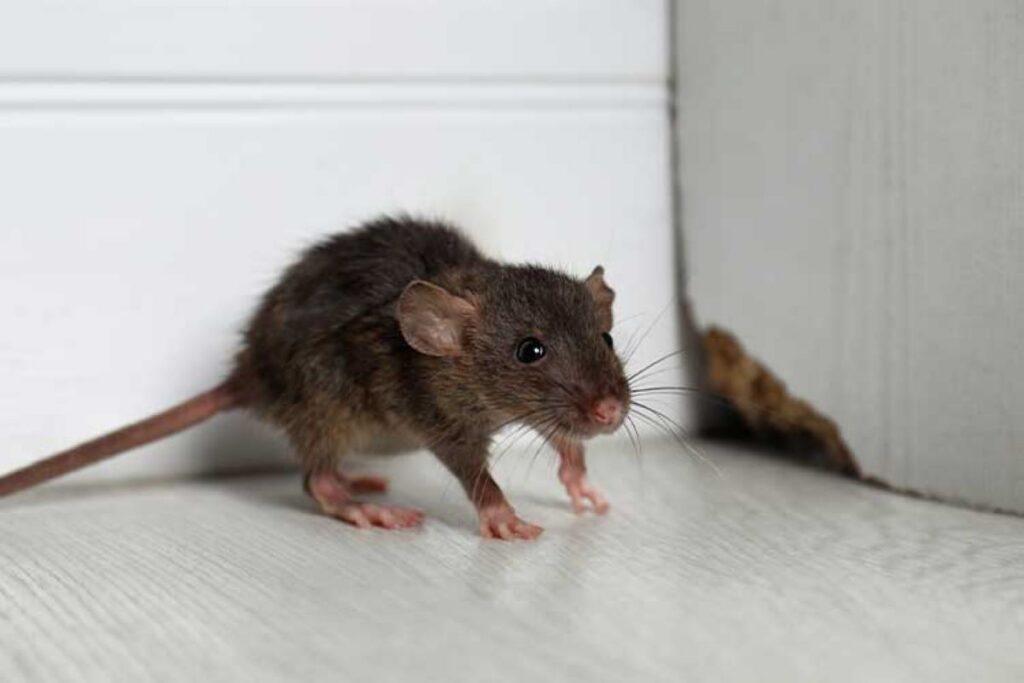
What are the first signs they have a mice problem?
They will usually notice droppings that look like dark rice grains, especially in cupboards, pantries, under sinks, or along wall edges. Scratching sounds at night, musky odours, and gnaw marks on packaging, cables, or skirting boards are also common.
Grease rub marks on walls, shredded paper “nests,” and pets fixating on a specific corner often confirm active movement.
What should they do in the first 15 minutes to stop it getting worse?
They should secure all food immediately in sealed containers, wipe crumbs, and remove pet food bowls overnight. For effective mice removal Sydney, any overflowing bins should be tied off and moved outside with a closed lid.
Next, they should isolate the suspected areas by closing internal doors and clearing clutter that provides hiding spots. In mice removal Sydney, quick tidying makes traps and inspections far more effective.
Where should they look first to find the entry points?
They should focus on kitchens, laundries, garages, and any wall that backs onto gardens or shared cavities. Common entry points include gaps under doors, around pipes under sinks, weep holes, vents, loose weather stripping, and cracks where services enter the home.
They should also check garages and sheds, because mice often establish there first and then move indoors for food and warmth.
How can they confirm exactly where mice are travelling?
They can sprinkle a light dusting of flour or talc along skirting boards and behind appliances overnight to reveal tracks. They can also use a torch to look for droppings concentrated in corners, along edges, and near warm appliances like fridges.
If there are frequent droppings in one zone, that area should become the main trapping line rather than placing traps randomly.
What is the quickest safe cleanup they can do right now?
They should avoid sweeping or vacuuming dry droppings because it can spread particles into the air. The quickest safer method is to ventilate the room, wear gloves and a mask, spray droppings with disinfectant, wait a few minutes, then wipe with disposable paper towels and bag everything securely.
They should finish by disinfecting surfaces and washing hands thoroughly, then laundering any exposed cloth items on a hot cycle.
Which traps work fastest for most Sydney homes?
Snap traps are usually the quickest for immediate reduction when placed correctly. They should place traps perpendicular to walls with the trigger end facing the wall, since mice tend to run along edges.
They should use small, sticky baits like peanut butter or a tiny smear of chocolate spread, and avoid overloading bait so it does not let mice steal it without triggering the trap.
When should they use bait stations instead of traps?
Bait stations can be better when activity is widespread, mice are trap shy, or access points are in roof voids and subfloors. In Sydney, it is especially important they use tamper resistant bait stations to reduce risks to children, pets, and native wildlife.
They should avoid loose bait and should not place bait where it can be accessed by non target animals.
Other Resources : Don’t bait your mates!
What mistakes slow down mice removal the most?
The biggest delay comes from sealing holes before reducing the population, which can trap mice inside wall cavities and push them deeper into the home. Another common mistake is placing too few traps, or placing them in the middle of rooms rather than along edges.
They also lose time by leaving food sources available, reusing dirty traps without gloves, or failing to follow up after the first few catches.
How do they block entry points quickly without a full renovation?
They can use door sweeps, weather stripping, and brush seals for fast gains, especially on external doors and garage roller doors. For small gaps, they can use steel wool combined with a quality sealant, and for larger openings around pipes they can use metal mesh and appropriate fillers.
Any gap larger than a pencil width can be enough, so they should aim for a thorough perimeter check. Check out more about how to find the best pest control Eastern Suburbs services.
When should they call a professional mice removal service in Sydney?
They should call quickly if there are signs of a large infestation, activity in the roof, repeated sightings in daylight, or droppings across multiple rooms. They should also escalate if there are young children, immunocompromised residents, pets that might access baits, or if there is any concern about electrical wiring damage.
A licensed Sydney pest controller can combine targeted baiting, exclusion planning, and follow up monitoring, which is often faster than trial and error.

What should they ask a Sydney pest controller to ensure it is handled quickly?
They should ask for a clear inspection plan, the treatment method, and the expected timeline for activity to drop. They should also ask whether the service includes follow up visits, what proofing and sealing recommendations are provided, and how bait stations are managed safely.
They should confirm the technician is licensed and insured, and that the approach is designed for the specific property type, such as terraces, apartments, or freestanding homes.
How can they stop mice coming back after the removal?
They should keep food sealed, bins lidded, and clutter reduced, especially in garages and storage rooms. They should trim vegetation away from walls, avoid leaving bird seed accessible, and store pet food in sealed containers.
They should also schedule a seasonal inspection of door seals, vents, and pipe penetrations, because small shifts in building gaps can reopen entry points over time.
FAQs (Frequently Asked Questions)
What are the early signs of a mice problem in Sydney homes?
Early signs include finding droppings that look like dark rice grains in cupboards, pantries, under sinks, or along wall edges. Other indicators are scratching sounds at night, musky odours, gnaw marks on packaging or cables, grease rub marks on walls, shredded paper nests, and pets fixating on specific corners.
What immediate actions should I take within the first 15 minutes of suspecting a mice infestation?
Secure all food in sealed containers, wipe away crumbs, remove pet food bowls overnight, tie off overflowing bins and move them outside with closed lids. Isolate suspected areas by closing internal doors and clearing clutter to reduce hiding spots and improve trap effectiveness.
Where should I look first to identify mice entry points in my home?
Focus on kitchens, laundries, garages, and walls backing onto gardens or shared cavities. Check gaps under doors, around pipes under sinks, weep holes, vents, loose weather stripping, cracks where services enter the home. Also inspect garages and sheds as mice often establish there before moving indoors.
How can I confirm where mice are traveling inside my house?
Sprinkle a light dusting of flour or talc along skirting boards and behind appliances overnight to reveal tracks. Use a torch to spot concentrated droppings near corners, edges, and warm appliances like fridges. Concentrated droppings indicate main travel routes for effective trap placement.
What is the safest and quickest way to clean up mouse droppings?
Avoid sweeping or vacuuming dry droppings to prevent spreading particles. Instead, ventilate the room, wear gloves and a mask, spray droppings with disinfectant and wait a few minutes. Then wipe with disposable paper towels and securely bag waste. Finish by disinfecting surfaces and washing hands thoroughly.
When should I call a professional pest controller for mice removal in Sydney?
Call a licensed Sydney pest controller if you notice large infestations, activity in roof spaces, repeated daytime sightings, or droppings across multiple rooms. Also seek professional help if there are young children or immunocompromised residents at risk, pets that might access baits, or concerns about electrical wiring damage.